A measurable student success program that builds confidence, resilience, and career readiness.
The MBA Experiment helps MBA program leaders build and prove the mental fitness students need to perform under pressure, navigate career transitions, and turn academic preparation into confident professional action.
Built for MBA program leaders who want to strengthen student confidence, resilience, and career readiness with a practical model their teams can support.
Built with methods including Positive Intelligence (PQ)® and Emotional Intelligence™.
Student Success Model
From Preparation to Readiness
Mental fitness practice helps MBA students turn academic preparation into confident action when pressure rises.
Academic Preparation
What students know
Mental fitness practice
Student Readiness
How students perform
What Schools Can Measure
Student confidence
Resilience under pressure
Career readiness
Alumni outcomes
For MBA Programs
Strong academic preparation does not always translate into confident performance when pressure is high.
MBA program leaders see this across the student journey. In recruiting conversations, case interviews, internship settings, team projects, and early leadership roles, students who are technically prepared can still struggle with confidence, communication, and execution when it counts most.
The challenge is not academic preparation. It is the ability to think clearly, communicate confidently, and execute under the pressure that comes with every high stakes professional moment.
The MBA Experiment gives MBA program leaders a practical, repeatable way to develop that capacity in students and give the school evidence that it is working.
"Most MBA programs are excellent at developing business knowledge, analytical thinking, and technical skill. Fewer have a structured way to help students build the confidence, emotional regulation, resilience, and leadership readiness needed to perform when the stakes rise."
What Students Build
Six capabilities that show up in careers, not just classrooms
Through six weeks of structured mental fitness practice, students strengthen the capacity to:
- Regulate stress in high pressure moments
- Reduce overthinking and internal friction
- Improve decision quality under uncertainty
- Execute with consistency and accountability
- Strengthen collaboration, communication, and leadership presence
- Build confidence for interviews, internships, and early leadership moments
Schools make this repeatable through cohort delivery, structured practice, engagement tracking, and reporting. That is what turns a single workshop into something students and institutions can build on.
What this is not
- Not therapy or a wellness-only program
- Not a single event or motivational workshop
- Not a curriculum, advising, or career services replacement
It is a practical performance program that strengthens what you already teach and gives program leaders something measurable to point to.
The Pathway
A disciplined path from discovery to expansion
The MBA Experiment helps schools navigate a clear change path before moving into student delivery. Each step builds stakeholder confidence, clarifies institutional fit, and creates the evidence needed for responsible expansion.
Discovery
Clarify priorities, student pressure points, leadership goals, and the institutional context for change.
Leadership Preview
Selected leaders and champions experience the mental fitness approach firsthand, review the student success use case, and build shared language before broader decisions are made.
Fit and Scope Decision
Define the right student population, timing, sponsor path, ownership model, and evidence goals before student delivery.
Pilot and Evidence
Support cohort delivery, practice rhythm, engagement tracking, reporting, and stakeholder review.
Expansion
Use pilot learning and approved evidence to decide whether and how the work should scale across future cohorts.
Each step can be matched to the school's readiness, timeline, and decision process.
The Delivery Model
A practical model schools can run with their own teams
The MBA Experiment combines the Positive Intelligence app, school-led pod facilitation, and a structured evidence path so mental fitness becomes repeatable institutional capacity.
Positive Intelligence provides the practice engine.
Students use Positive Intelligence for daily mental fitness practice, skill building and behavior change.
Your team facilitates the pods.
Institutional coaches, staff, or trained facilitators guide accountability, reflection, and group conversation.
The MBA Experiment provides structure and visibility.
We support the rollout with facilitator guidance, program rhythm, participation tracking, feedback capture, and evidence review.
The institution builds repeatable capacity.
Schools can strengthen student confidence, resilience, leadership readiness, and career readiness without building a large external coaching operation.
Business Case
Why this is a business school priority, not just a student development offer
Prospective students choose programs that prepare them for the full professional transition, not only the academic one. Employers expect graduates who can handle pressure, communicate well, and perform from day one. Rankings and reputation increasingly reflect career outcomes, student satisfaction, and graduate readiness.
The MBA Experiment gives programs a practical, evidence informed way to strengthen career readiness, support student confidence, and demonstrate that development to the people who matter: students, employers, and accreditors.
Differentiate on career readiness
Prospective students want a program that prepares them to perform, not just one that teaches. This gives schools something concrete to point to.
Strengthen the student experience
Students who build real performance capacity feel more confident, more supported, and better prepared during the highest pressure moments of their program.
Demonstrate outcomes
Cohort delivery, engagement tracking, and participant reporting give MBA program leaders evidence that development is happening. They also create a foundation for expanding it.
Why Now
The expectation has shifted
Employers are not just looking for technical knowledge. They are looking for graduates who can manage pressure, make good decisions under uncertainty, lead with confidence, and recover quickly when things do not go as planned.
MBA program leaders know this gap is real. The question is what to do about it in a way that is practical, credible, and sustainable for the institution, not just another single program.
Thought Leadership
8-page white paper · October 2026
A new perspective on bringing the performance logic of athletics to the broader student experience.
From Student Athletes to Student Success
Why higher education should bring mental fitness to the whole campus. The paper explores how repeated practice in confidence, resilience, discernment, and leadership presence can help students turn preparation into performance.
Outcomes
What participants report after six weeks
Participant reported outcomes from the Positive Intelligence (PQ) methodology across broader PQ cohorts after six weeks of mental fitness training. These are not MBA specific results. Individual results vary. Wellbeing improvements are outcomes of stronger performance capacity, not a separate wellness track.
Career Confidence and Readiness
83%
reported improved self-confidence
90%
reported using mental and emotional energy more effectively
91%
reported better stress management under pressure
Performance and Execution
92%
reported stronger teamwork and collaboration
76%
reported improved ability to develop others
85%
reported increased positivity and resilience
Relationships and Collaboration
82%
reported improved relationships
97%
reported improved empathy
84%
reported stronger conflict management
These are participant reported outcomes from broader Positive Intelligence cohorts and are not MBA specific.
Proof from the Field
Early evidence from a graduate business school pilot
A completed pilot at Virginia Commonwealth University gives program leaders a practical view of how mental fitness can support student confidence, resilience, communication, and performance under pressure.
Featured Pilot Story
VCU Mental Resilience for Professional Success
Students used Positive Intelligence mental fitness tools alongside weekly reflection, practice, and cohort support.
Early results showed promising gains across confidence, reset behavior, follow through under pressure, presence, collaboration, and leadership readiness. Participants reported using the tools in academic, work, and personal pressure moments.
Review the Pilot EvidenceWhat We Are Learning
School names and institutional details are shared selectively and only when permission and context support public use.
Method and Support
Proven practice, adapted for business schools
Positive Intelligence provides the app based mental fitness practice. The MBA Experiment adds the school specific structure, facilitation support, and reporting discipline needed to make the work practical for MBA programs.
What Schools Receive
The Practice Engine
Positive Intelligence gives students a daily practice model for mental fitness, self command, and behavior change.
The Business School Layer
The MBA Experiment aligns cohort design, facilitation, communication, reporting, and expansion planning with the school context.
Leadership
Led by Kevin Thibodeaux
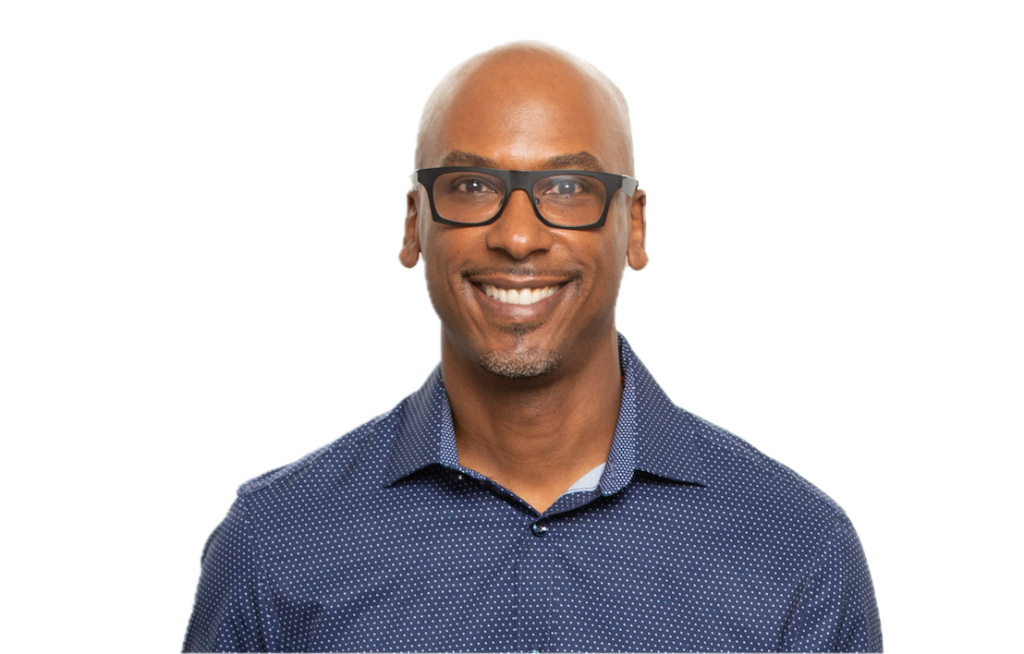
Leadership coach and mental fitness expert helping MBA programs build career readiness by strengthening how students perform under pressure.
Experience and Credentials
Career Readiness Focus
Designs development experiences that strengthen student confidence, performance, and professional execution during high pressure transitions.
Mental Fitness
Certified PQ Coach who builds student capacity for mental and emotional resilience under real pressure.
Leadership Application
Strengthens decision quality, communication, and team effectiveness in high pressure environments.
Institutional Implementation
Experienced in embedding mental fitness and coaching programs inside schools, organizations, and global leadership programs.
FAQ
Common questions
Does this replace our curriculum, advising, or career services?
No. This strengthens what the school already offers by improving how students perform under the pressure of applying it. It adds a measurable performance layer around confidence, resilience, and career readiness.
Is this therapy or a wellness program?
No. This is not therapy and it is not a wellness-only offer. It is a practical performance development program focused on career readiness, execution under pressure, and professional confidence.
Do we have to start with a pilot?
No. Some schools begin with discovery, some with a leadership preview, and some are ready to scope a pilot. The right starting point depends on your priorities, timeline, and stakeholder alignment.
What happens in a leadership preview?
Selected program leaders and champions experience the mental fitness approach, review the student success use case, and discuss whether the model fits their students, team, and timing.
What methodology does this use?
Positive Intelligence (PQ) is the core mental fitness methodology behind the program, used by over 1 million participants across 100+ countries and grounded in neuroscience. The MBA Experiment applies it in a business school context with cohort delivery, career readiness framing, reporting, and institutional implementation support.
Do we need to hire external coaches to run this?
No. The model is designed so schools can use their own coaches, staff, or trained facilitators to run student pods. Positive Intelligence provides the core mental fitness practice, while The MBA Experiment provides the structure, preparation, and evidence support needed to make the experience repeatable.
How do we measure outcomes?
We track engagement signals, participant reported performance shifts, implementation indicators, and stakeholder learning. Reporting is tied to your program priorities and can inform future expansion.
Let's Talk
If your MBA students need stronger confidence, resilience, and career readiness, let's talk.
You will leave with a clear fit assessment and practical next steps.
Schedule a Discovery ConversationFocused, practical, and tailored to your program.